
Covid-19 and Ocean Observations
DetailsPublished: 29 June 2020

COVID-19 threatens to create an ocean data blindspot that could disrupt weather forecasts and hamper our understanding of climate change.
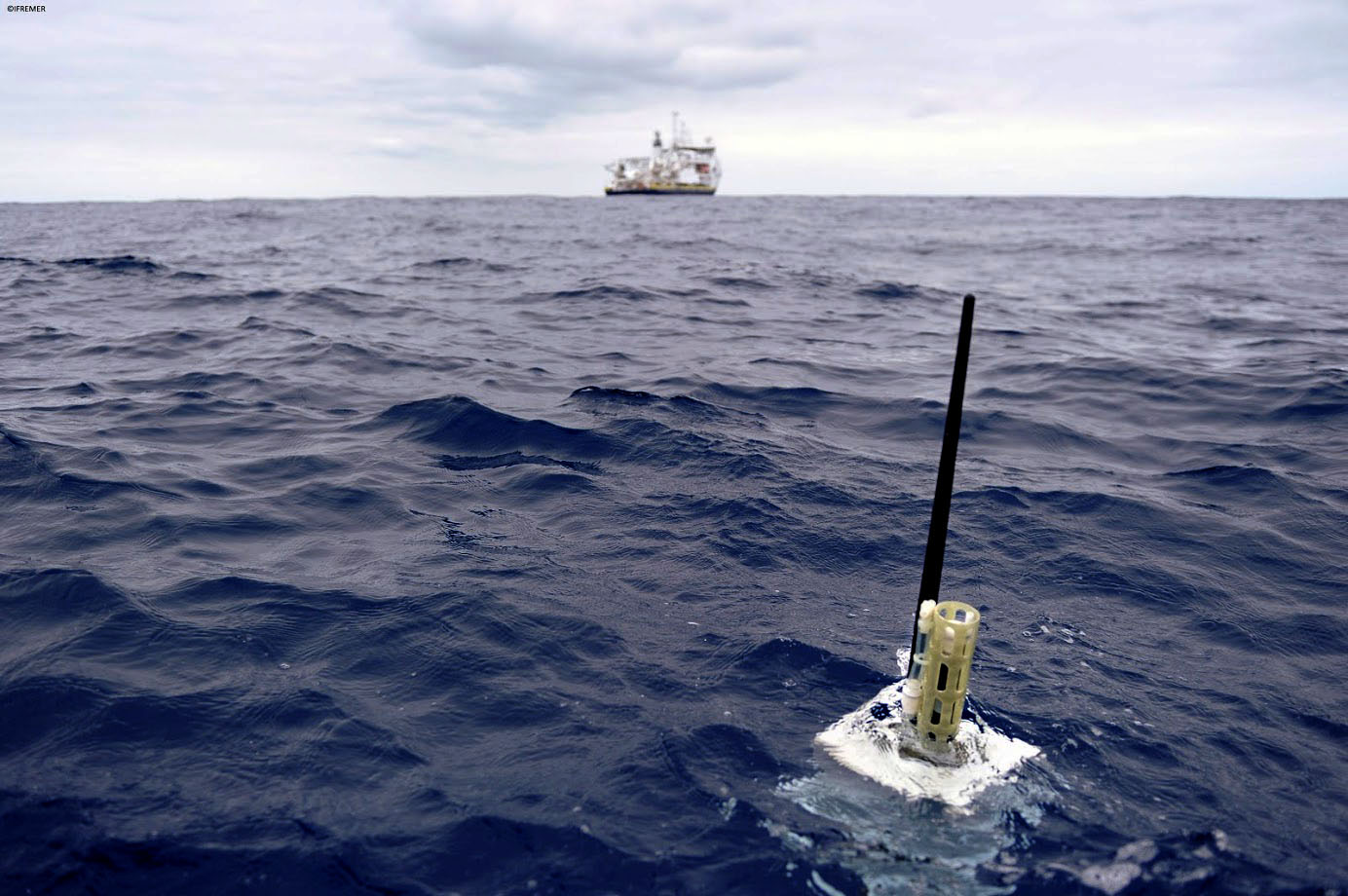
As the world responded to the Covid-19 pandemic, our ability to observe the global oceans was dramatically impacted in ways not seen before. Governments and oceanographic institutions recalled nearly all oceanographic research vessels to home ports, some commercial ships were unable to contribute vital ocean and weather observations, and ocean buoys and other systems could not be maintained, leading to premature failure. Even autonomous equipment could not be deployed to cover gaps in the system. The observations from these systems are vital to marine, climate, and weather forecasts and warnings. They should be recognized as essential and their operations enabled and supported to ensure their continuity.
To gain a global view of this risk, the Global Ocean Observing System (GOOS) launched a Covid-19 impacts survey in April 2020 to assess and forecast the pandemic’s impact on global ocean observations.
For more information on survey results:


For questions, quotes, or interview requests related to the effects of Covid-19 restrictions on ocean observations, weather forecasts or climate change activites, email us.
Related articles
 NewsGlobal Ocean Observing System Status Report 2026: Tracking progress in global ocean observing5 Nov 2026
 NewsGovernments at UN General Assembly support global ocean observation28 Sep 2026
 NewsOcean Observing Co-Design: Lessons and recommendations for policy at the midpoint of the Ocean Decade17 Sep 2026
 NewsA new series of Dialogues with Industry | Fall 20267 Sep 2026